Experienced electricians serving DFW for over 25 years
Reputable electrical construction done right! Request a callback and our team will be in touch as soon as possible to discuss your needs.
- Master Electrician
- TX Electrical License 26196
- Fully insured
24/7 Emergency Service
817-233-3167 ResidentialYour neighbor approved residential electrician
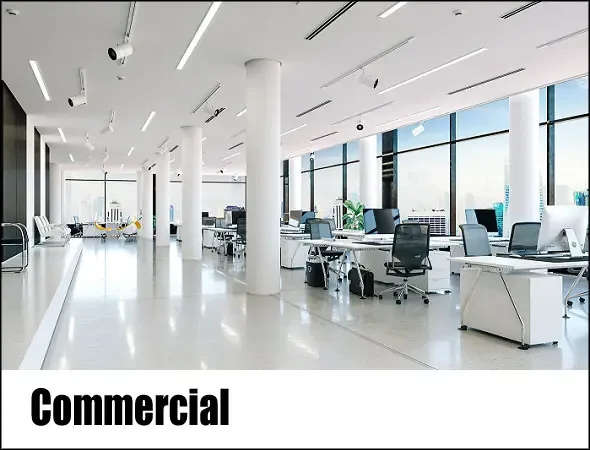 CommercialCommercially licensed electricians
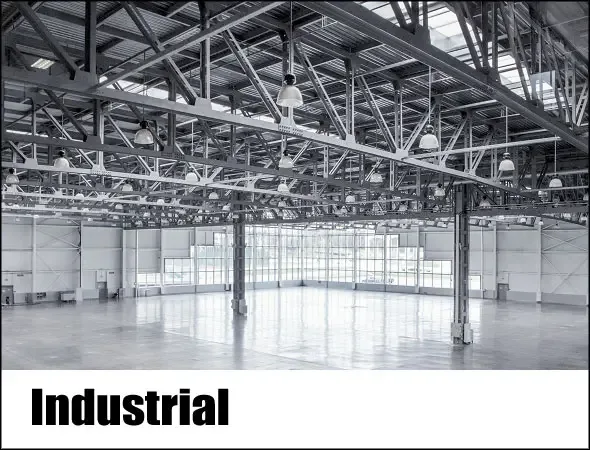 IndustrialExperienced industrial electricians
What we do
Dunn’s Electrical Construction (DEC) is a full-service residential, commercial, and industrial electrical contractor serving the North Central Texas area including the entire DFW Metroplex.
About Dunn’s Electrical- New Construction
- CNC Equipment
- Car Chargers
- LED Conversions
- Ceiling Exhaust
- Steel Plant Equipment
- Generator Systems
- Light Fixtures
- Underground Utilities
- Code Violation & Correction
- Circuit Breakers & Switchgear
- So Much More!
DEC is one of the most reputable Electrical Companies I’ve ever used. There has not been an electrical problem that they cannot solve! It is nice to know I have an electrician that I can trust!
What our customers are saying
Great Service, Very Professional Employees.
JasonDecatur, Texas Matt Dunn and his entire crew always go out of their way to ensure my electrical needs are taken care of. So much so, they always seem to find a way to WOW me! They are very professional and I know I’m getting the best value for the work that is done. I always recommend Dunn’s Electrical Construction to everyone and will continue to do so!
Reggie S NicholsSaginaw, Texas I have used DEC for many years. They continue to be a top-notch company. The people they have are courteous and knowledgeable. They do what they say they will do. Thanks for always being there when I need y’all!
DannyFort Worth, Texas Dunn’s did all the electrical work for Zilla Wraps’ new shop. They put in new LED lighting, installed the electrical for the new HVAC and installed new outlets for our printers. They were great to work with, responsive, quick and they did an excellent job! Great customer service too! I highly recommend them.
AngelaDFW, Texas Affordable and timely. Thanks for making my project easier.
ShaneDenton, Texas Thank you Dunn Electric for taking care of the Alvord Fire Dept and getting us back up and going. For all the Alvord Fire Department’s electrical needs we use Dunn Electric. Thanks again!
SamAlvord, Texas






Dunn Wired
A blog by Dunn Electric Construction
Whether you’re a homeowner, business owner, or facility manager, our goal is to keep you informed and empowered when it comes to electrical systems. From code compliance to smart energy solutions, tune in for expert insights and tips backed by the trusted professionals at Dunn Electric.